Events, talks, press coverage and milestones of the EVIL-AI project, written by the research team.
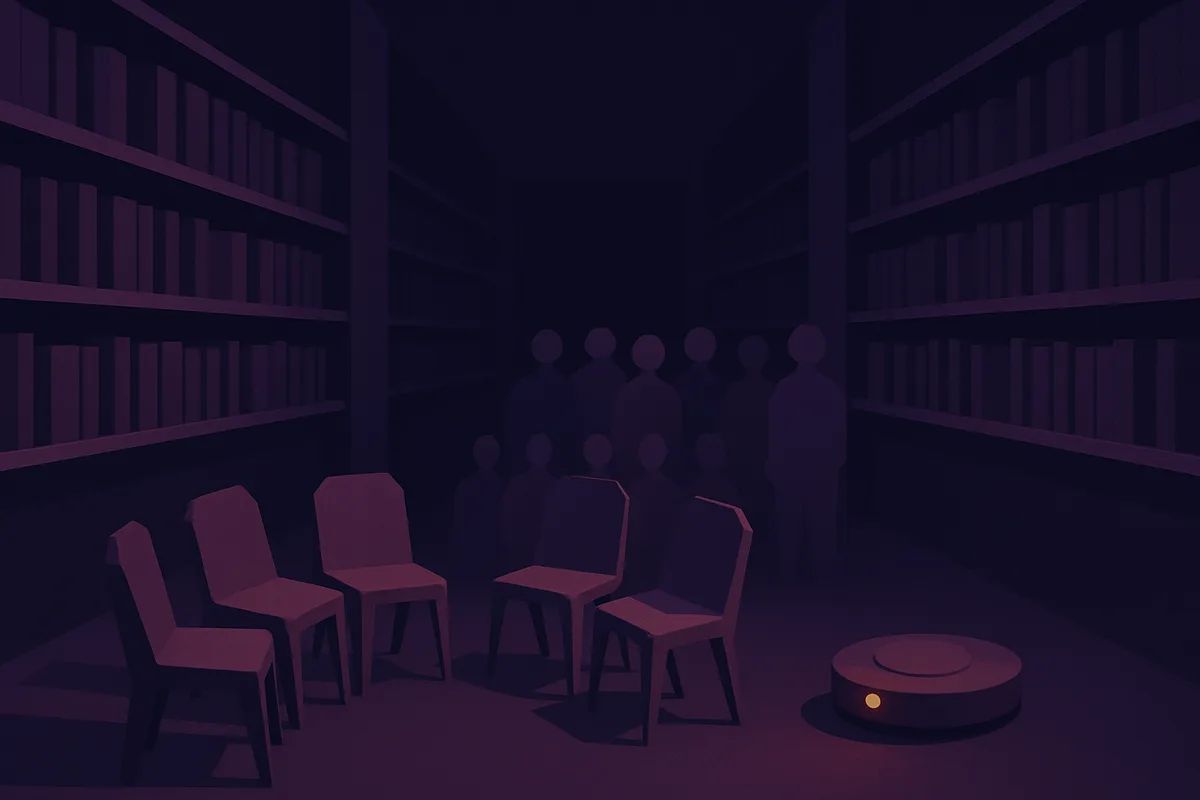
A free public seminar in Finnish on the limits and future of AI and people, on 23 October 2026 from 16:00 to 18:00 at Tampere's main library Metso, organised by the Gameful Realities research centre with the SYNTHETICA and EVIL-AI projects of the universities of Jyväskylä, Vaasa and Tampere. Professor Marko Siitonen opens; Tanja Sihvonen, Pekka Abrahamsson, Rebekah Rousi and Henri Pirkkalainen debate AI in home care, work, dating, democracy and civic life; from 17:00 the researchers run hands-on demonstrations, among them a vacuum cleaner commanded by a malicious AI, an interview with an AI journalist, and a worry chair for sharing concerns about AI. No registration needed.
Finland's public broadcaster Yle reported on the EVIL-AI team's demonstration that an AI-enabled robot vacuum can be attacked without touching it. Needing only access to the wireless network, the researchers intercepted the messages between the user and the robot, changed them, and manipulated the camera image so the robot misread its surroundings. Postdoctoral researcher Asif Shaikh, who took part in the attack, also presented a detection system that stops the robot when it notices the manipulation. Project lead Henri Pirkkalainen explained why the four-year project, funded by the Jane and Aatos Erkko Foundation, aims to identify such risks before these systems spread into homes and healthcare.
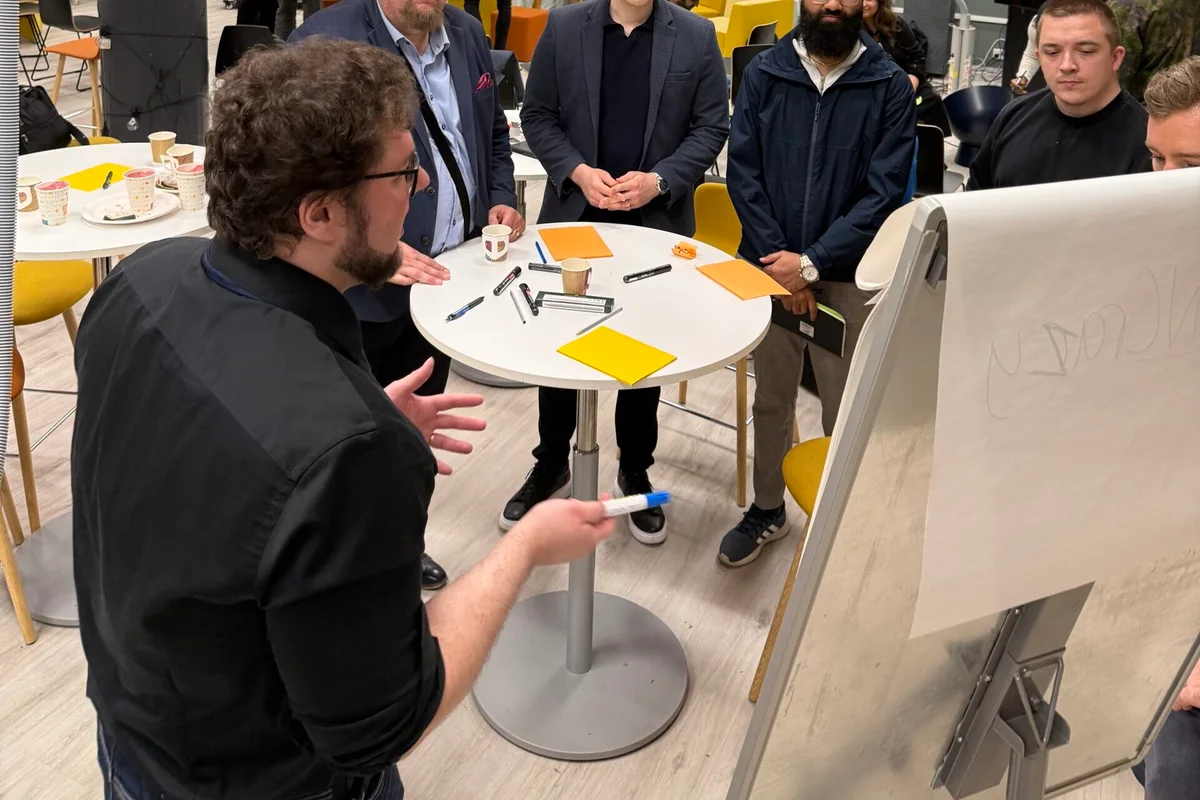
EVIL-AI launched its multidisciplinary steering group, which brings together people from journalism, defence, innovation, education, public health and foreign policy, from large public institutions as well as foundations and non-governmental organisations. It meets twice a year to help set research priorities and share insight across sectors. On 28 May 2025 the group took the stage with the project's researchers to show that harmful AI takes many forms, from robots to AI avatars, that it is amplified when AI agents interact, and that it is a serious threat to societies at large.
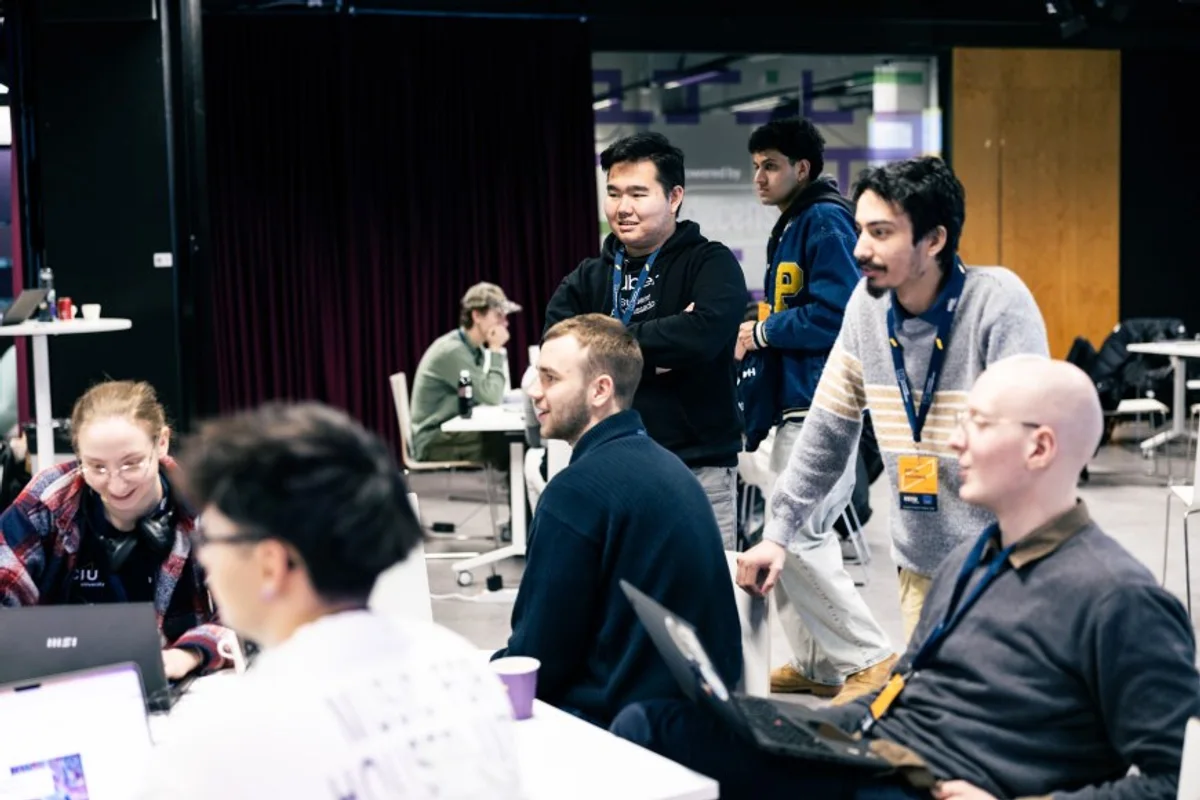
Student teams from eight European universities built personal AI assistants for learning over three days, 12 to 14 March 2025, at Paidia in Nokia Arena, in a hackathon organised by Tampere University and ECIU University, the largest multinational on-site challenge the university had run. EVIL-AI was the official project partner, and the teams also wrote about the potential negative impacts of their assistants, the question the project exists to ask.
Project lead Henri Pirkkalainen appeared on Yle Areena on 9 December 2024. In plain terms he explained how AI systems work, why language models sometimes produce confident but wrong answers, and what the energy use of AI means for the environment.
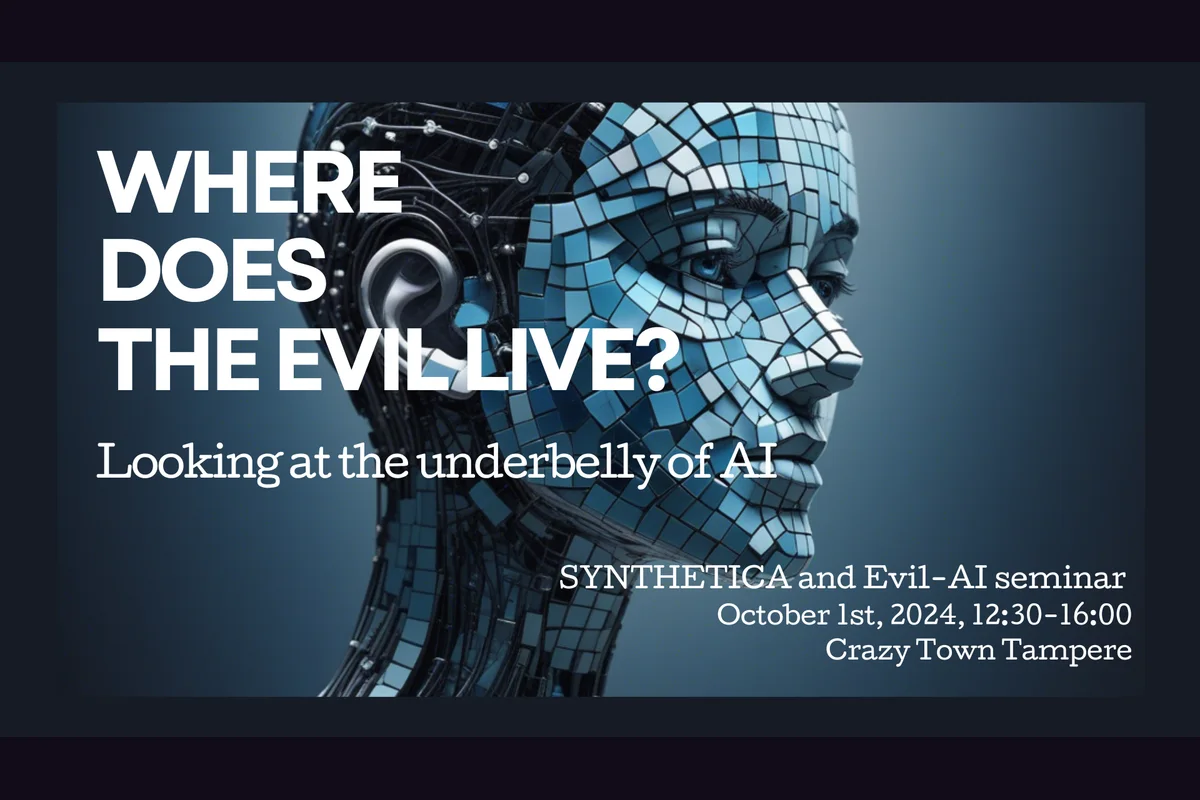
An open seminar organised by the SYNTHETICA research network and EVIL-AI at Crazy Town Tampere on 1 October 2024, from 12:30 to 16:00. An afternoon of short talks, a fishbowl discussion and workshops on the negative, unethical and criminal uses of artificial intelligence, seen from society's side rather than the technology's, including the workshop question: what evil can AI do in our lives?

On 18 June 2024 Tampere University announced that the Jane and Aatos Erkko Foundation had granted €1,413,000 to EVIL-AI, the largest award in the foundation's second funding round of the year. Led by Henri Pirkkalainen with Pekka Abrahamsson and Johanna Virkki, the four-year project set out to identify and prevent unethical and criminal uses of AI agents, from chatbots to service robots and virtual-reality avatars, to assess how AI should be regulated, and to build a multidisciplinary research unit on the dark side of AI.
